 Français
 Español
 中文
 Magyar
 Русский
 Deutsch
 日本語

| Tri-chrome |
| Voir le sujet précédent :: Voir le sujet suivant | |||||||||||||
| Auteur | Message | ||||||||||||
|---|---|---|---|---|---|---|---|---|---|---|---|---|---|
Farside 

 Inscrit le: 01 Sep 2007 Messages: 6579 Localisation: Ireland Expire: 2013-12-27 |
|
||||||||||||
| Haut de page |
|
||||||||||||
 |
|||||||||||||
Orio

Inscrit le: 24 Fév 2007 Messages: 29545 Localisation: West Emilia Expire: 2012-12-04 |
|
||||||||||||
| Haut de page |
|
||||||||||||
|
|||||||||||||
Nesster

Inscrit le: 24 Avr 2008 Messages: 5883 Localisation: NJ, USA Expire: 2014-02-20 |
|
||||||||||||
| Haut de page |
|
||||||||||||
|
|||||||||||||
Xpres

 Inscrit le: 11 Déc 2007 Messages: 964 Localisation: UK Expire: 2014-10-28 |
|
||||||||||||
| Haut de page |
|
||||||||||||
|
|||||||||||||
|
Sevo
Inscrit le: 22 Août 2008 Messages: 1189 Localisation: Frankfurt, Germany Expire: 2012-12-03 |
|
||||||||||||
| Haut de page |
|
||||||||||||
|
|||||||||||||
|
Xpres
Inscrit le: 11 Déc 2007 Messages: 964 Localisation: UK Expire: 2014-10-28 |
|
||||||||||||
| Haut de page |
|
||||||||||||
|
|||||||||||||
|
Farside
Inscrit le: 01 Sep 2007 Messages: 6579 Localisation: Ireland Expire: 2013-12-27 |
|
||||||||||||
| Haut de page |
|
||||||||||||
|
|||||||||||||
|
Nesster
Inscrit le: 24 Avr 2008 Messages: 5883 Localisation: NJ, USA Expire: 2014-02-20 |
|
||||||||||||
| Haut de page |
|
||||||||||||
|
|||||||||||||
Laurence

Inscrit le: 26 Mar 2007 Messages: 4809 Localisation: Western Washington State Expire: 2016-06-19 |
|
||||||||||||
| Haut de page |
|
||||||||||||
|
|||||||||||||
|
Farside
Inscrit le: 01 Sep 2007 Messages: 6579 Localisation: Ireland Expire: 2013-12-27 |
|
||||||||||||
| Haut de page |
|
||||||||||||
|
|||||||||||||
|
Farside
Inscrit le: 01 Sep 2007 Messages: 6579 Localisation: Ireland Expire: 2013-12-27 |
|
||||||||||||
| Haut de page |
|
||||||||||||
|
|||||||||||||
|
Xpres
Inscrit le: 11 Déc 2007 Messages: 964 Localisation: UK Expire: 2014-10-28 |
|
||||||||||||
| Haut de page |
|
||||||||||||
|
|||||||||||||
|
Katastrofo
Inscrit le: 26 Fév 2007 Messages: 10405 Localisation: USA Expire: 2013-11-19 |
|
||||||||||||
| Haut de page |
|
||||||||||||
|
|||||||||||||
|
Farside
Inscrit le: 01 Sep 2007 Messages: 6579 Localisation: Ireland Expire: 2013-12-27 |
|
||||||||||||
| Haut de page |
|
||||||||||||
|
|||||||||||||
|
Seele
Inscrit le: 17 Avr 2009 Messages: 746 Localisation: Sydney Australia |
|
||||||||||||
| Haut de page |
|
||||||||||||
|
|||||||||||||
|
|
|||||||||||||


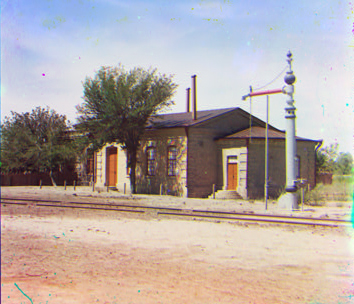
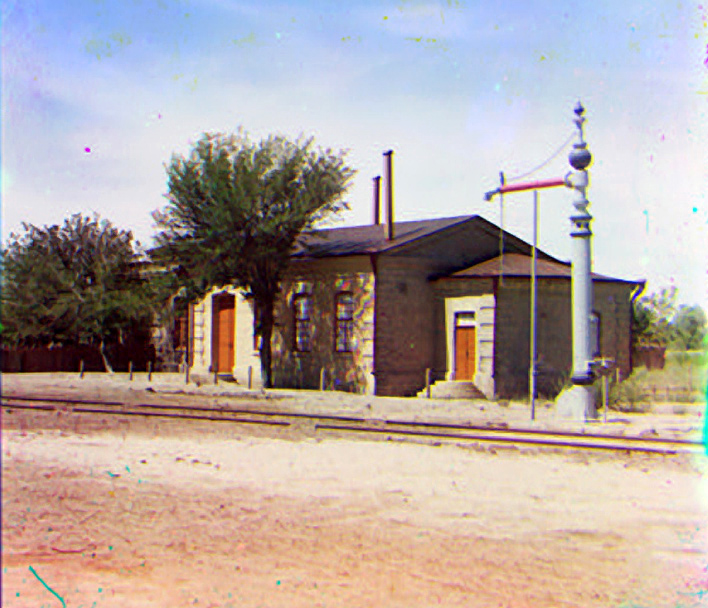


 , so a trio arrangement of cams suggested itself, but registration would be a problem - they'd be ok in the middle but the images would gradually get out of register moving away from the centre point.

|
Vous ne pouvez pas publier de nouveaux sujets dans ce forum Vous ne pouvez pas répondre aux sujets de ce forum Vous ne pouvez pas modifier vos messages dans ce forum Vous ne pouvez pas supprimer vos messages dans ce forum Vous ne pouvez pas voter dans les sondages de ce forum |