| Voir le sujet précédent :: Voir le sujet suivant |
| Auteur |
Message |
Attila 


Inscrit le: 24 Fév 2007
Messages: 58002
Expire: 2025-11-18
|
|
| Haut de page |
|
 |
Orio

Inscrit le: 24 Fév 2007
Messages: 29545
Localisation: West Emilia
Expire: 2012-12-04
|
 Posté: Jeu Nov 04, 2010 4:01 pm Sujet du message: |
|
Posté: Jeu Nov 04, 2010 4:01 pm Sujet du message: |
|
|
Orio wrote:
great image quality!
_________________
Orio, Administrator
T*
NE CEDE MALIS AUDENTIOR ITO
Ferrania film is reborn! http://www.filmferrania.it/
Support the Ornano film chemicals company and help them survive!
http://forum.mflenses.com/ornano-chemical-products-t55525.html |
|
| Haut de page |
|
|
Esox lucius


Inscrit le: 26 Août 2008
Messages: 2441
Localisation: Helsinki, Finland
Expire: 2011-11-18
|
Posté: Jeu Nov 04, 2010 9:02 pm Sujet du message: |
|
Posté: Jeu Nov 04, 2010 9:02 pm Sujet du message: |
|
|
Esox lucius wrote:
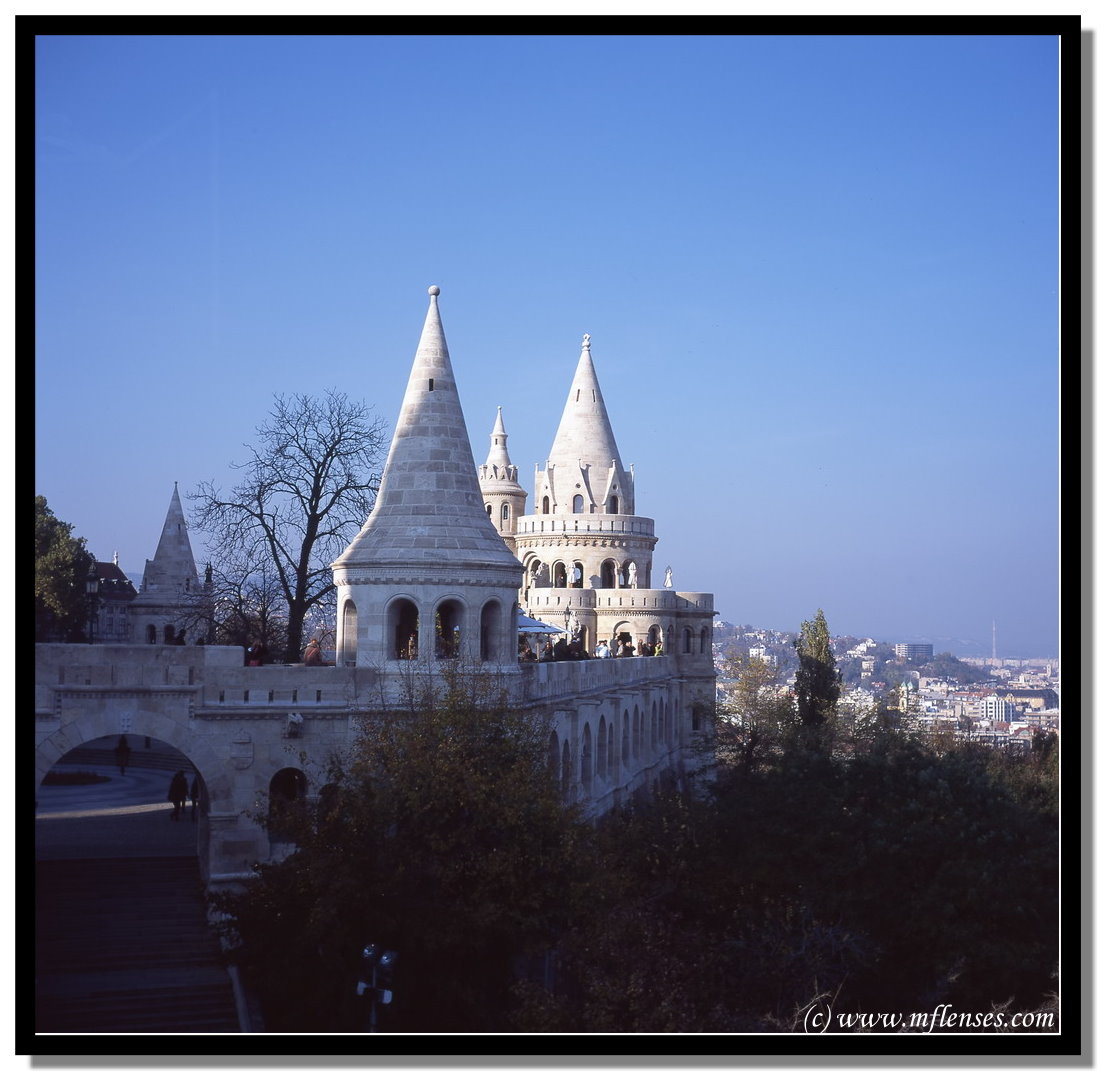
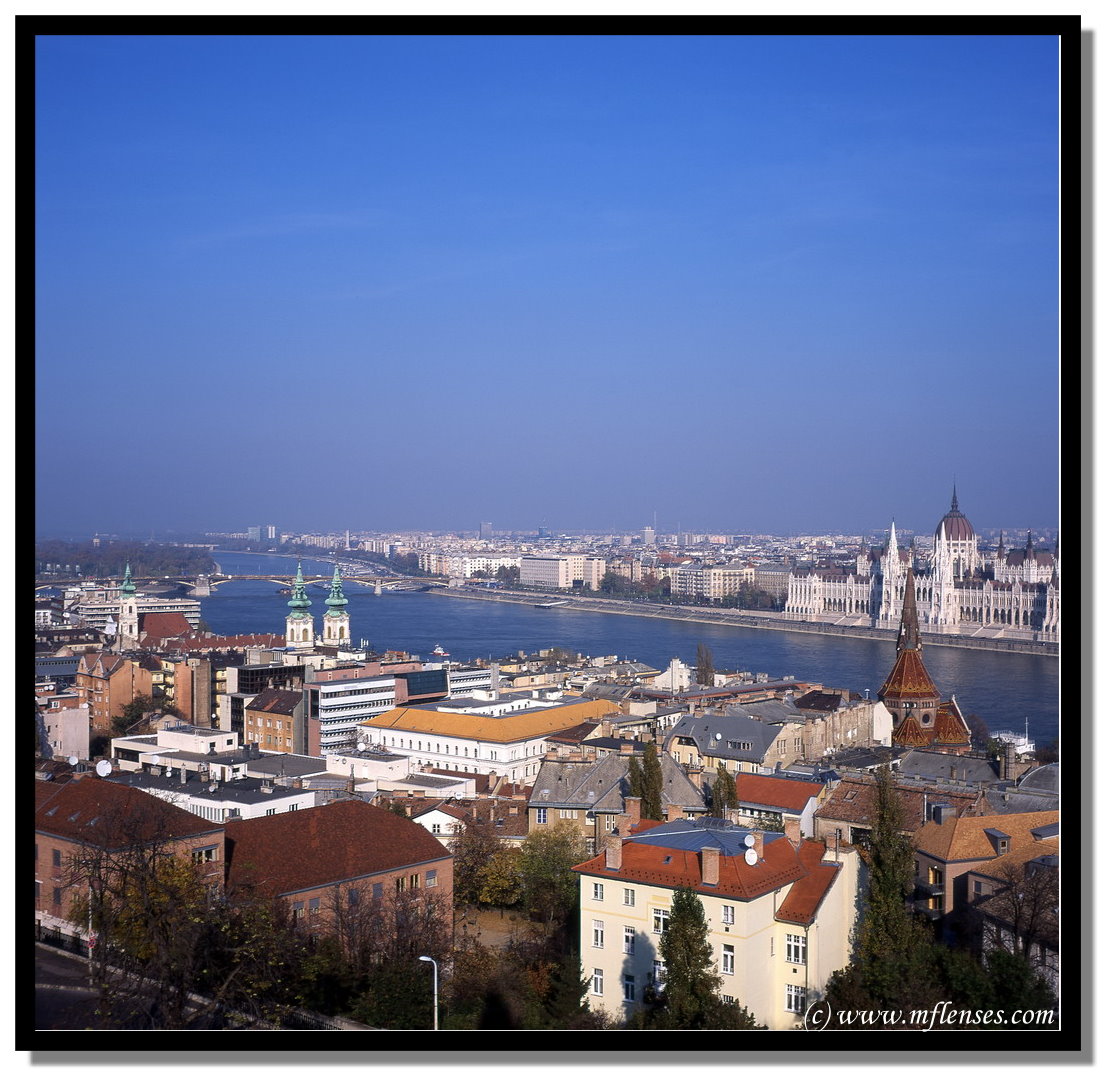
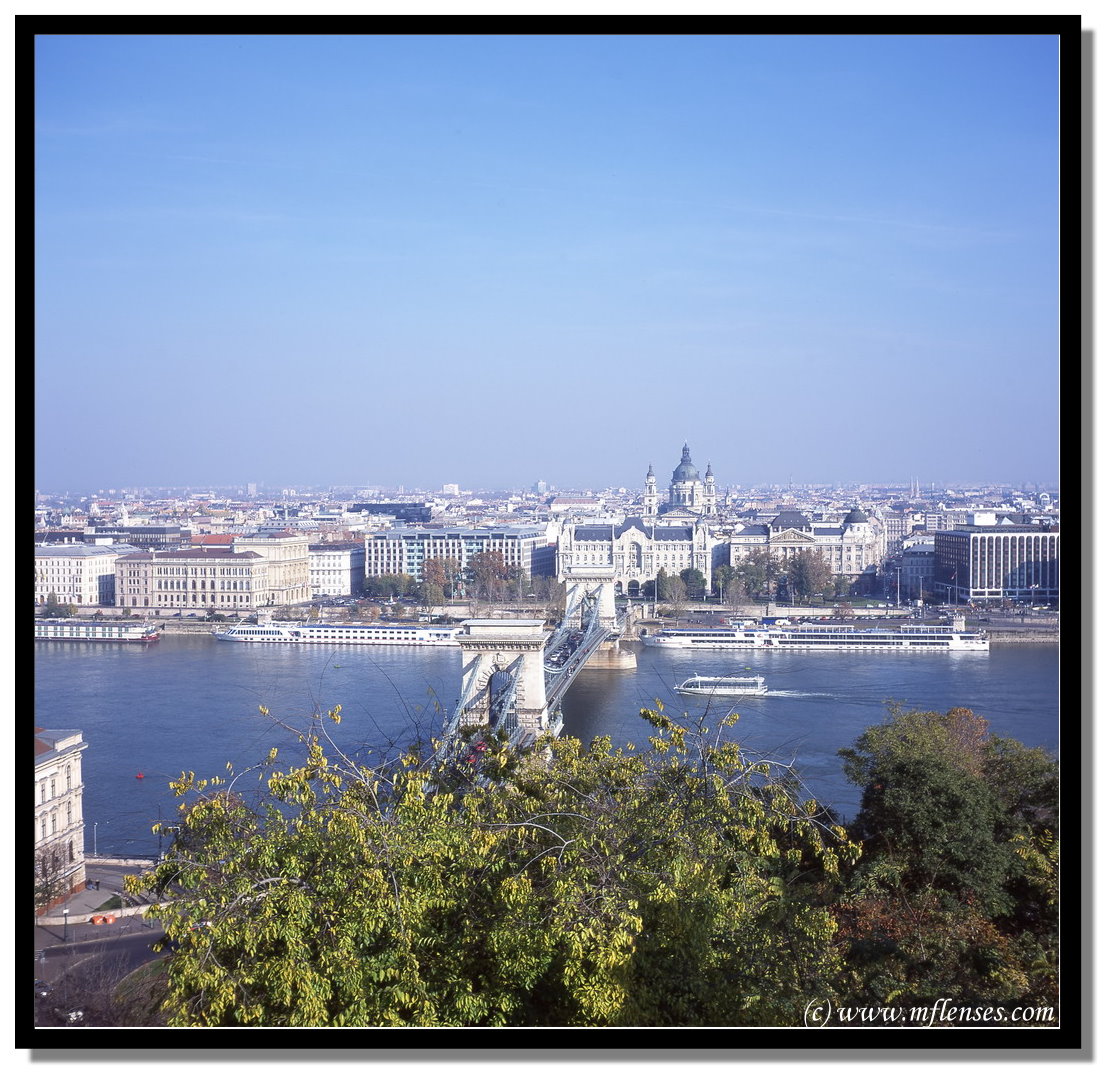
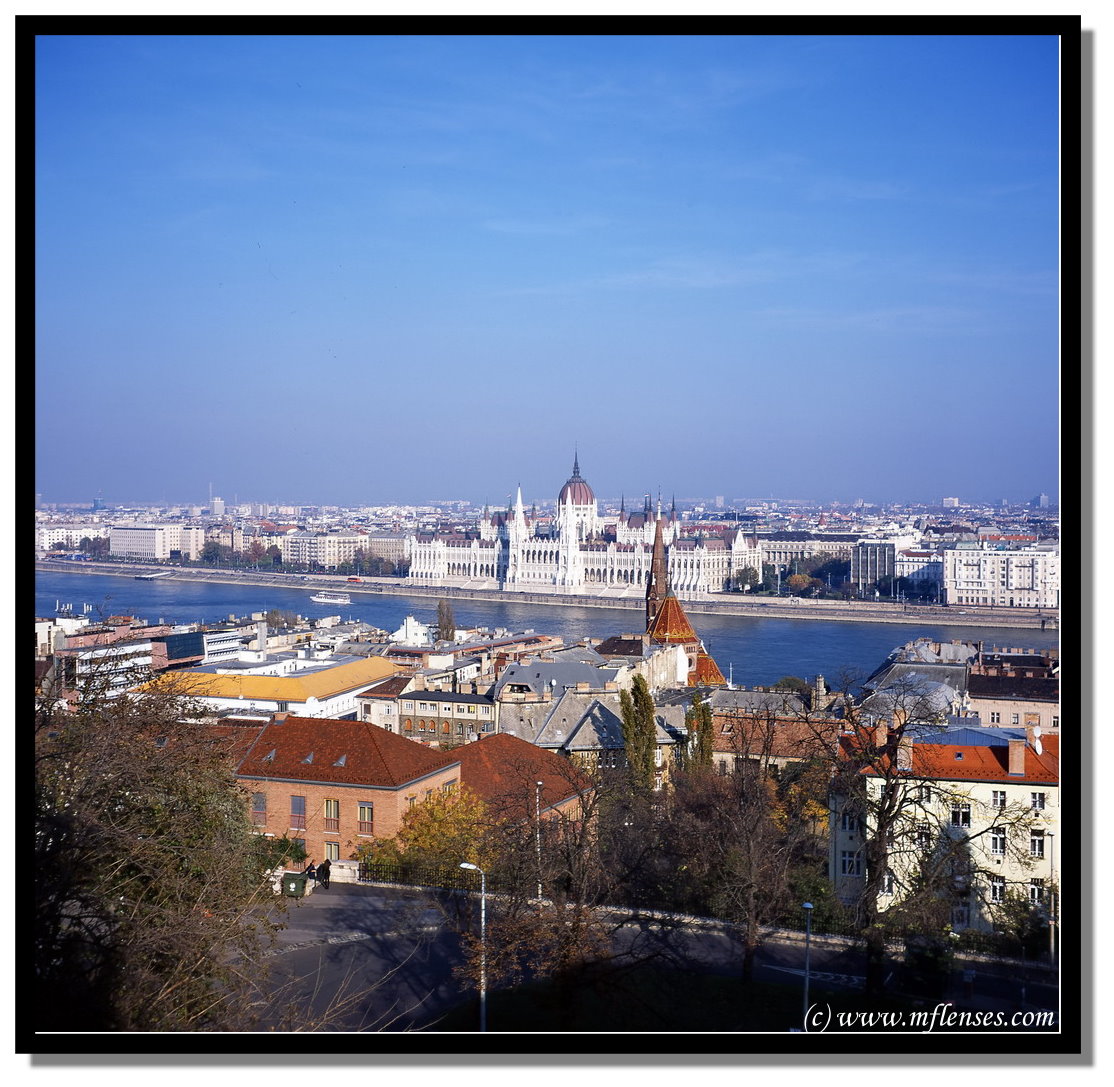
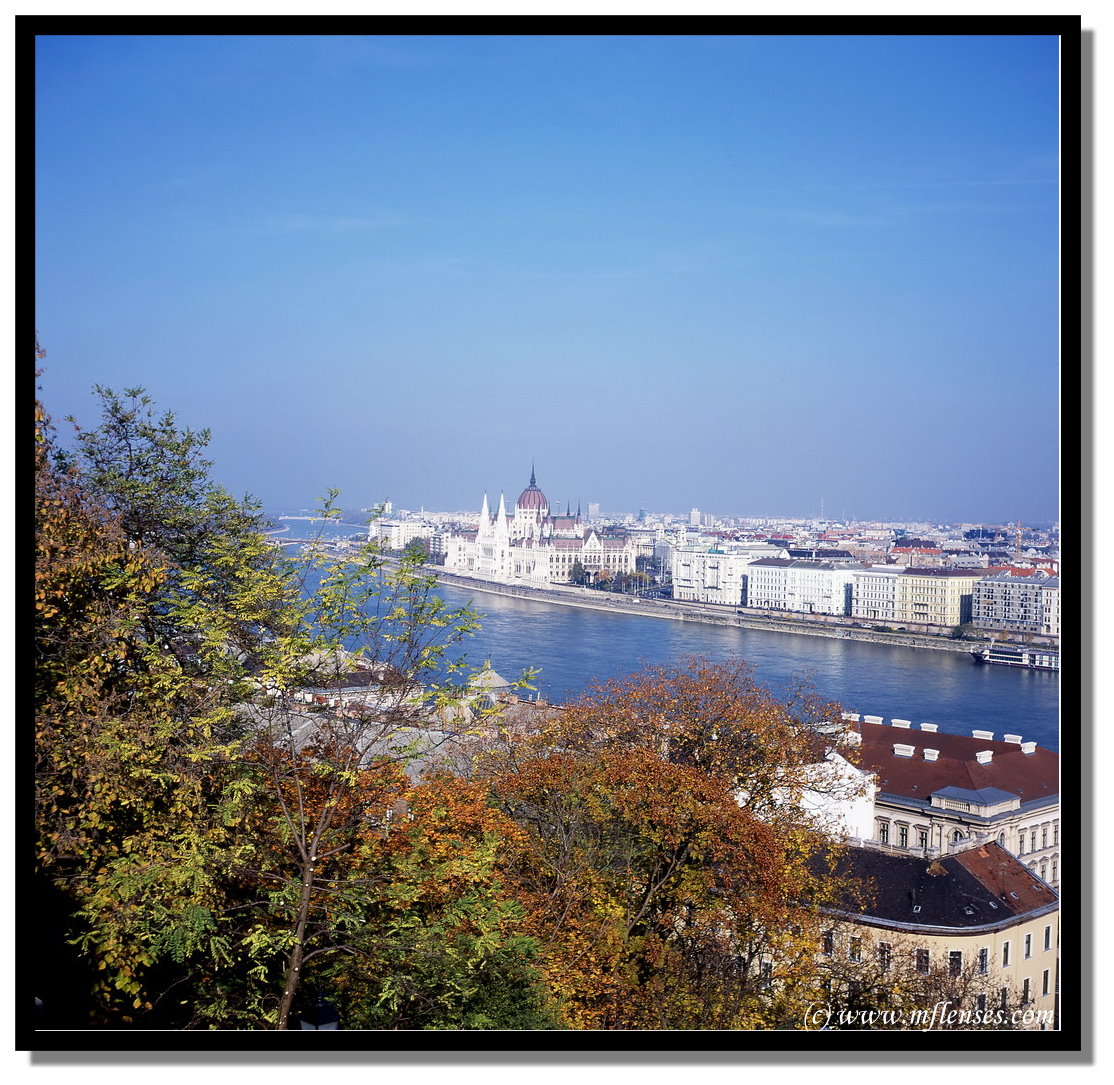
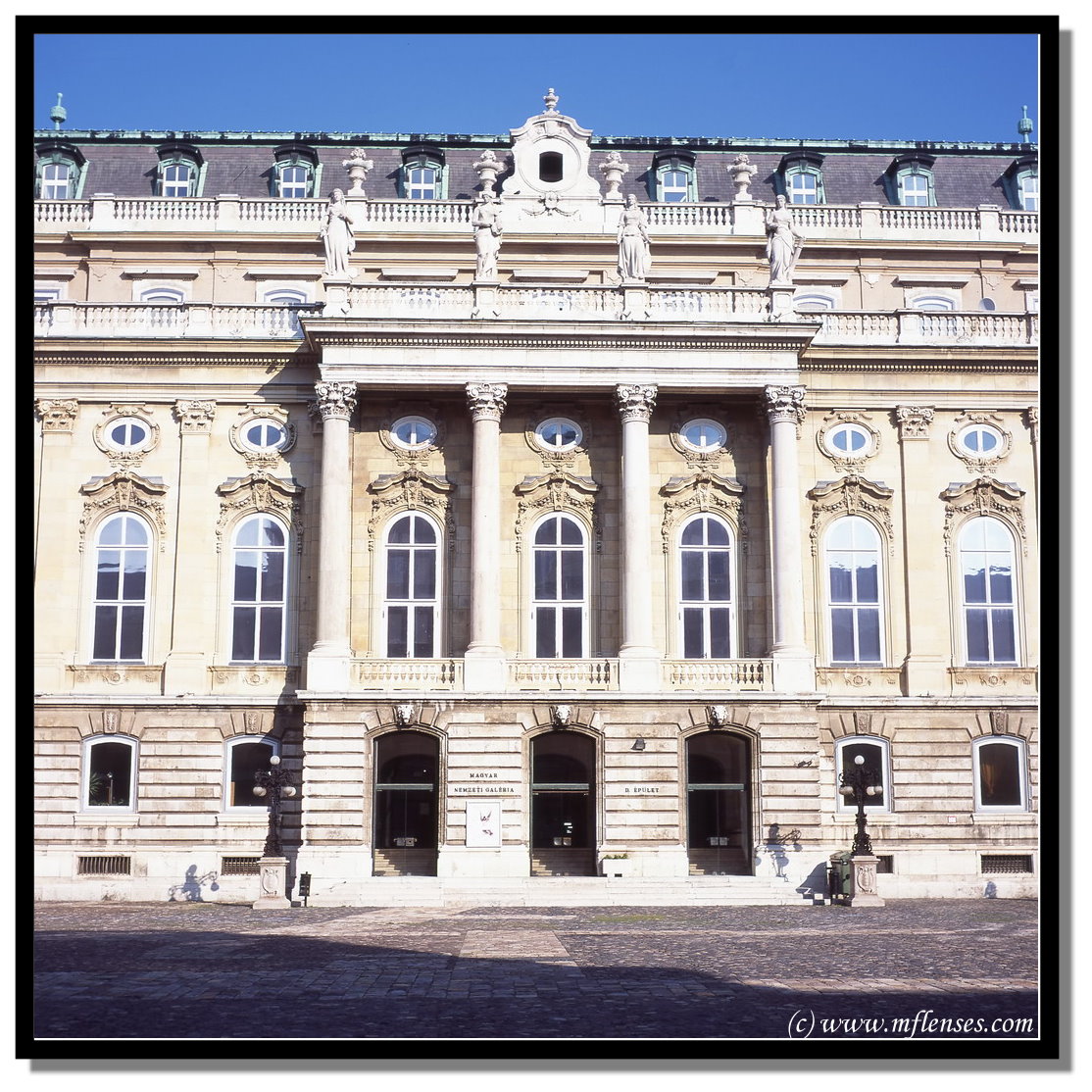
1 frame with camera shake (?) but the rest show the astounding detail these fine lenses can produce. Very nice
_________________
Vilhelm
Nikon DSLR: D4, D800, Nikon D3, D70
Nikon SLR: Nikon F100, Nikon FM2n
Nikkor MF: 20/2.8 Ai-S, 24/2 Ai-S, 24/2.8 Ai-S, 28/2 Ai-S, 28/2.8 Ai-S, 35/1.4 AIS, 35/2 Ai-S, 45/2.8 GN, 50/1.2 Ai, 50/1.2 Ai-S, 50/1.4 Ai, 50/1.4 Ai-S, 50/1.8 AI-S "long", 50/1.8 AI-S "short", 55/1.2 Ai, 85/1.4 Ai-S, 85/1.8H, 105/2.5 Ai, 135/2.8Q, 135/3.5 Ai, 180/2.8 Ai-S ED
Nikkor AF/AF-S FX: 14-24/2.8G, 16/2.8D Fisheye, 16-35/4G VR, 17-35/2.8D, 24/1.4G, 24/3.5D PC-E, 24/2.8D, 24-70/2.8G, 28/1.4D, 28/1.8G, 35/1.4G, 35/2D, 50/1.4D, 50/1.4G, 50/1.8G, 60/2.8 Micro, 60/2.8G Micro, 70-200/2.8G VR, 70-200/2.8G VR II, 80-400/4.5-5.6D VR, 85/1.4G, 85/2.8D PC-E Micro, 105/2D DC, 105/2.8G VR Micro, 135/2D DC, 200/2G VR, 200-400/4G VR, 300/2.8G VR, 300/4D ED, 400/2.8G VR, 800/5.6E VR
Nikkor AF/AF-S DX: 10.5/2.8G Fisheye, 12-24/4G, 18-70/3.5-4.5G
Topcor: Auto-Topcor 58/1.4,
Voigtländer SL: 40/2 Ultron, 58/1.4 Nokton, 75/2.5 Color-Heliar, 90/3.5 APO-Lanthar, 125/2.5 APO-Lanthar, 180/4 APO-Lanthar
Zeiss ZF: Planar T* 85/1.4 ZF
M42 SLR: Voigtländer Bessaflex TM
M42: Flektogon 20/4, Flektogon 35/2.4, Tessar 50/2.8 T, Super-Takumar 55/1.8, Biotar 58/2 T, Pentacon 135/2.8, Sonnar 135/3.5
Medium format: several Zeiss Super Ikonta 532/16 Opton-Tessar 80mm f/2.8, Zeiss Ikonta 524/16 Opton-Tessar 75mm f/3.5
Leica: R7, M4, Super-Angulon-R 4/21, Elmarit-R 2.8/28, Summicron-R 2/35, Summicron-M 2/35, Summicron-M 2/50, Elmarit-R 2,8/180 |
|
| Haut de page |
|
|
nemesis101

Inscrit le: 25 Mar 2008
Messages: 2050
Localisation: Oregon USA
Expire: 2015-01-22
|
Posté: Ven Nov 05, 2010 1:30 am Sujet du message: |
|
Posté: Ven Nov 05, 2010 1:30 am Sujet du message: |
|
|
nemesis101 wrote:
Hi,
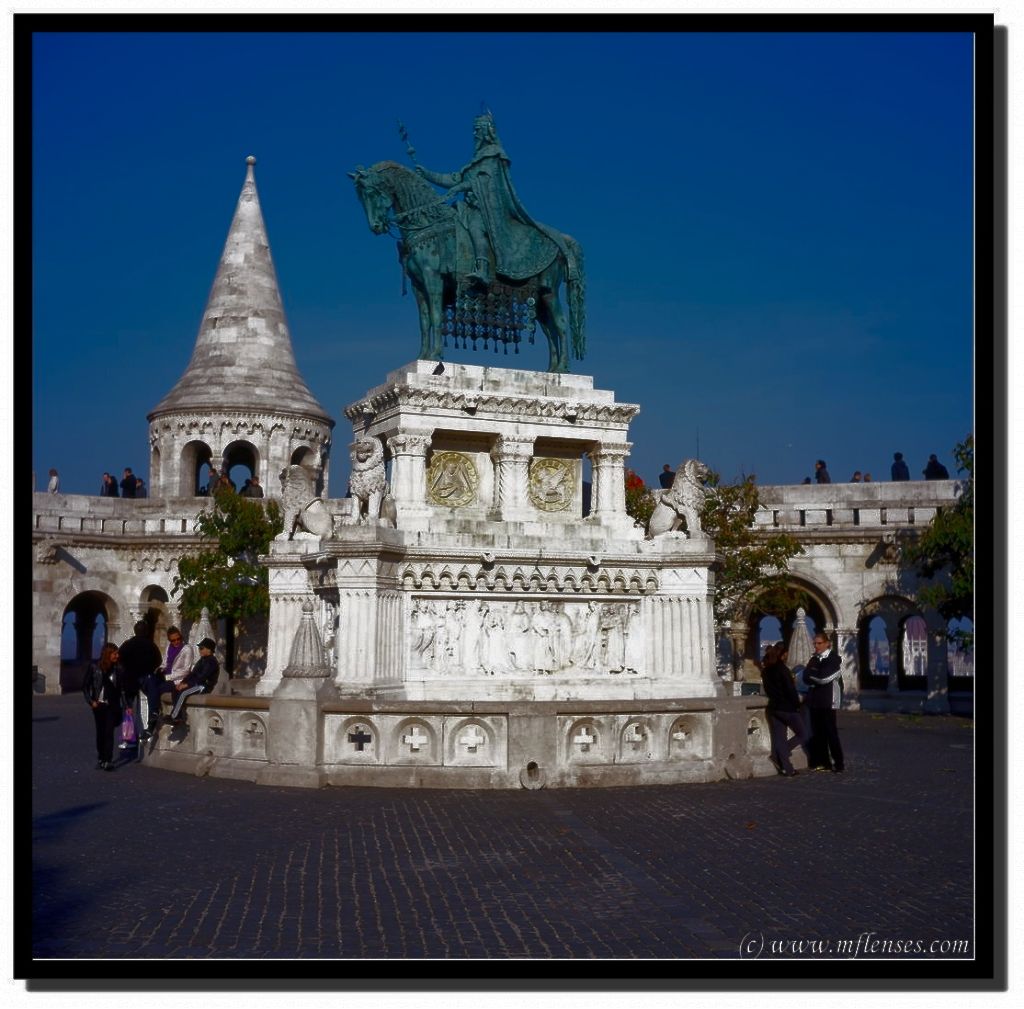
many of the recent scans seem to show burned out highlights.. is this the scanner or??
I like the sharpness and colours but the highlights seemed spolied 
Doug
_________________
Lenses and cameras:
Amateurs worry about equipment
Pros worry about money,
Masters worry about light. |
|
| Haut de page |
|
|
Attila
Inscrit le: 24 Fév 2007
Messages: 58002
Expire: 2025-11-18
|
Posté: Ven Nov 05, 2010 1:33 am Sujet du message: |
|
Posté: Ven Nov 05, 2010 1:33 am Sujet du message: |
|
|
Attila wrote:
| nemesis101 a écrit: |
Hi,
many of the recent scans seem to show burned out highlights.. is this the scanner or??
I like the sharpness and colours but the highlights seemed spolied
Doug |
Don't know scanner or just simple hard to get details from white. |
|
| Haut de page |
|
|
nemesis101
Inscrit le: 25 Mar 2008
Messages: 2050
Localisation: Oregon USA
Expire: 2015-01-22
|
Posté: Ven Nov 05, 2010 6:39 am Sujet du message: |
|
Posté: Ven Nov 05, 2010 6:39 am Sujet du message: |
|
|
nemesis101 wrote:
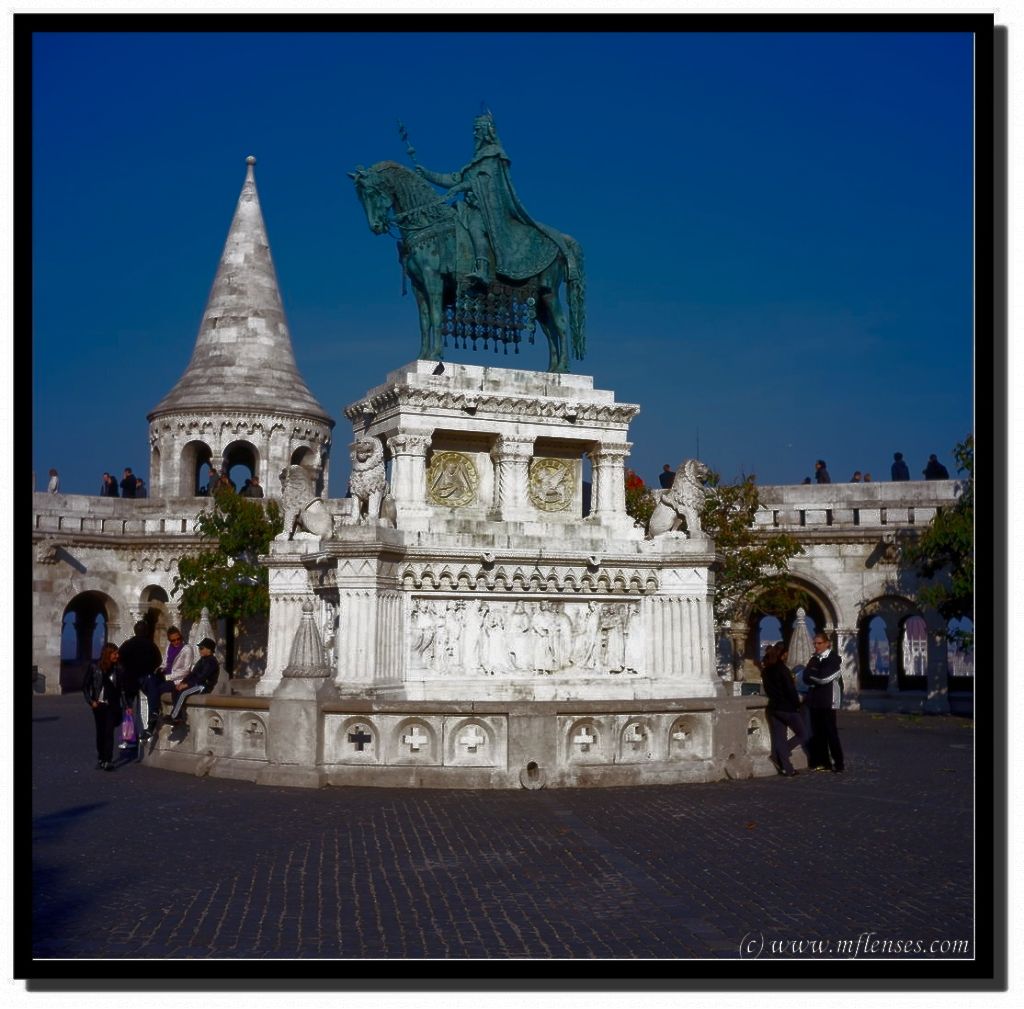
Hi!
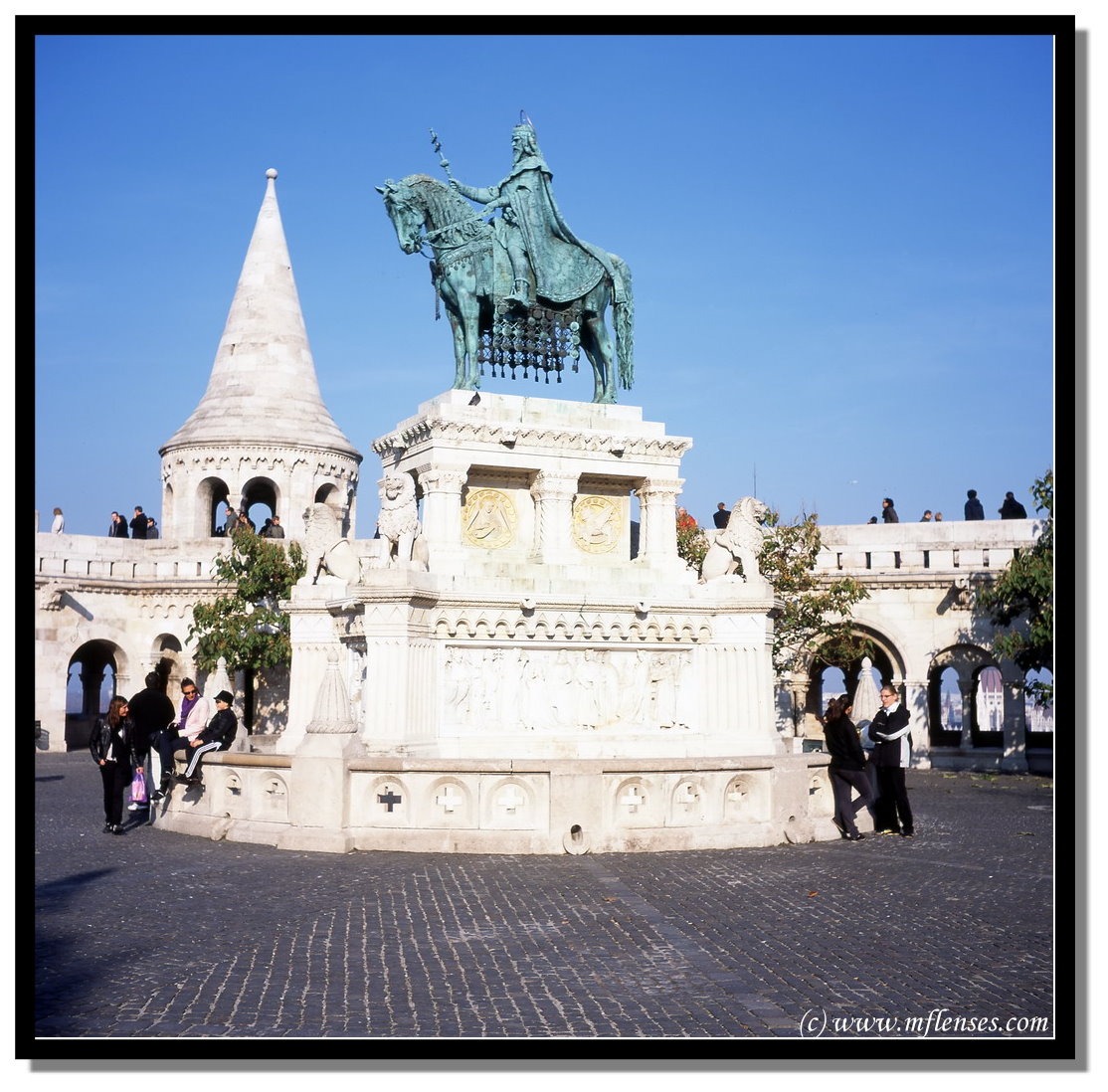
I downloaded the shot number 5 (?) showing the guy on the horse and a simple application of curves brought out tons of detail on the masonry.. so maybe it's my monitor or??
Anyone any ideas? It was really dramatic.. other pictures on the forum sem to show ok so is it me or ??
Doug
(I know that this is now dark but I just wanted to show the highlight details that were recovered...)
| Attila a écrit: |
| nemesis101 a écrit: |
Hi,
many of the recent scans seem to show burned out highlights.. is this the scanner or??
I like the sharpness and colours but the highlights seemed spolied
Doug |
Don't know scanner or just simple hard to get details from white. |
_________________
Lenses and cameras:
Amateurs worry about equipment
Pros worry about money,
Masters worry about light. |
|
| Haut de page |
|
|
martinsmith99

Inscrit le: 31 Août 2008
Messages: 7029
Localisation: S Glos, UK
Expire: 2013-11-18
|
Posté: Ven Nov 05, 2010 6:53 am Sujet du message: |
|
Posté: Ven Nov 05, 2010 6:53 am Sujet du message: |
|
|
martinsmith99 wrote:
Good images but as Doug says the IQ is a little off. Take this with a pinch of salt as I'm viewing at work and I suspect this is the issue.
_________________
Casual attendance these days |
|
| Haut de page |
|
|
Katastrofo
Inscrit le: 26 Fév 2007
Messages: 10405
Localisation: USA
Expire: 2013-11-19
|
Posté: Ven Nov 05, 2010 9:56 pm Sujet du message: |
|
Posté: Ven Nov 05, 2010 9:56 pm Sujet du message: |
|
|
Katastrofo wrote:
Attila, I can't see the pictures because Martin is in the way, he's a big guy.
Oh, there he goes... 
I like the sitting statue pic, but I think I like the Pearl I shots, better, otherwise. 
Colors seem to be off in Doug's version, and darker, too... |
|
| Haut de page |
|
|
nemesis101
Inscrit le: 25 Mar 2008
Messages: 2050
Localisation: Oregon USA
Expire: 2015-01-22
|
Posté: Sam Nov 06, 2010 12:35 am Sujet du message: |
|
Posté: Sam Nov 06, 2010 12:35 am Sujet du message: |
|
|
nemesis101 wrote:
I said the colours were off and it was too dark when I posted!
The point I was making was there is a lot of detail in the highlights that is there waiting to be recovered!
Doug
| Katastrofo a écrit: |
Attila, I can't see the pictures because Martin is in the way, he's a big guy.
Oh, there he goes...
I like the sitting statue pic, but I think I like the Pearl I shots, better, otherwise.
Colors seem to be off in Doug's version, and darker, too... |
_________________
Lenses and cameras:
Amateurs worry about equipment
Pros worry about money,
Masters worry about light. |
|
| Haut de page |
|
|
cooltouch

Inscrit le: 15 Jan 2009
Messages: 9096
Localisation: Houston, Texas
|
Posté: Sam Nov 06, 2010 3:24 am Sujet du message: |
|
Posté: Sam Nov 06, 2010 3:24 am Sujet du message: |
|
|
cooltouch wrote:
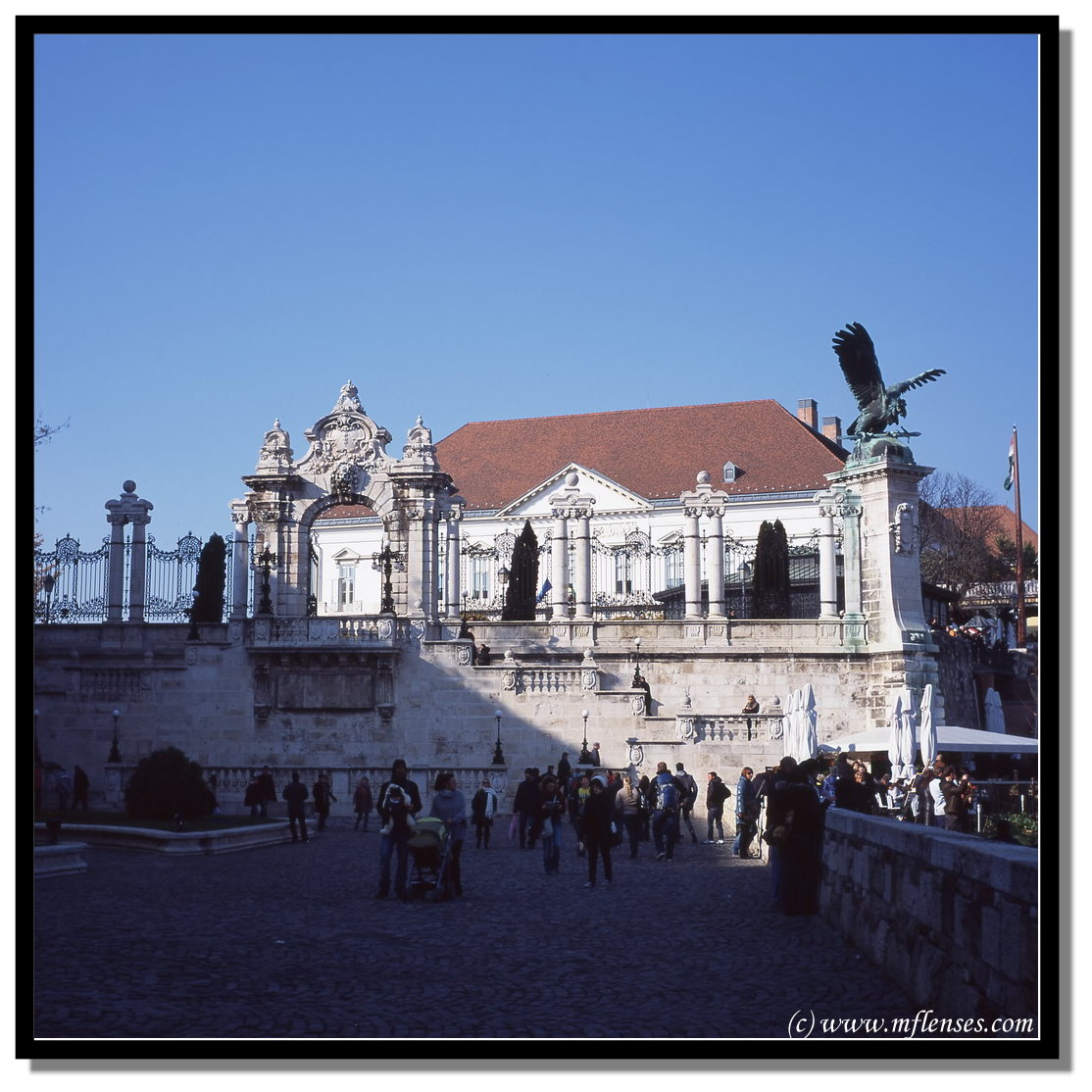
Guys, as you may have noticed, Attila posted his pics in the "Slide Film Gallery." This says it all to me. Slide film has a very notoriously narrow exposure latitude -- maybe +/- 1/2 stop. So yeah, photo #3, the bronze guy on a horse sitting atop an ornate white pedastal, seems to have the highlights blown, and it does -- at the expense of getting the shadows and the sky correct. You can see what happened to the sky and shadows when Doug adjusted exposure for the pedastal. Then the rest of the photos went away.
With slides, what I've always done is expose for the most important aspect of the image, or at least strive for a balance, and let the rest of the image's exposure fall where it may. Sometimes this can result in blown highlights AND blocked up shadows, but that's just the nature of shooting with slides. If you examine Attila's first and second photos, you can see the blocked up shadow detail in the foreground. If Attila would have tried to expose to bring out more of this area of the frame, the sky and much of the rest of the photo would have been blown out.
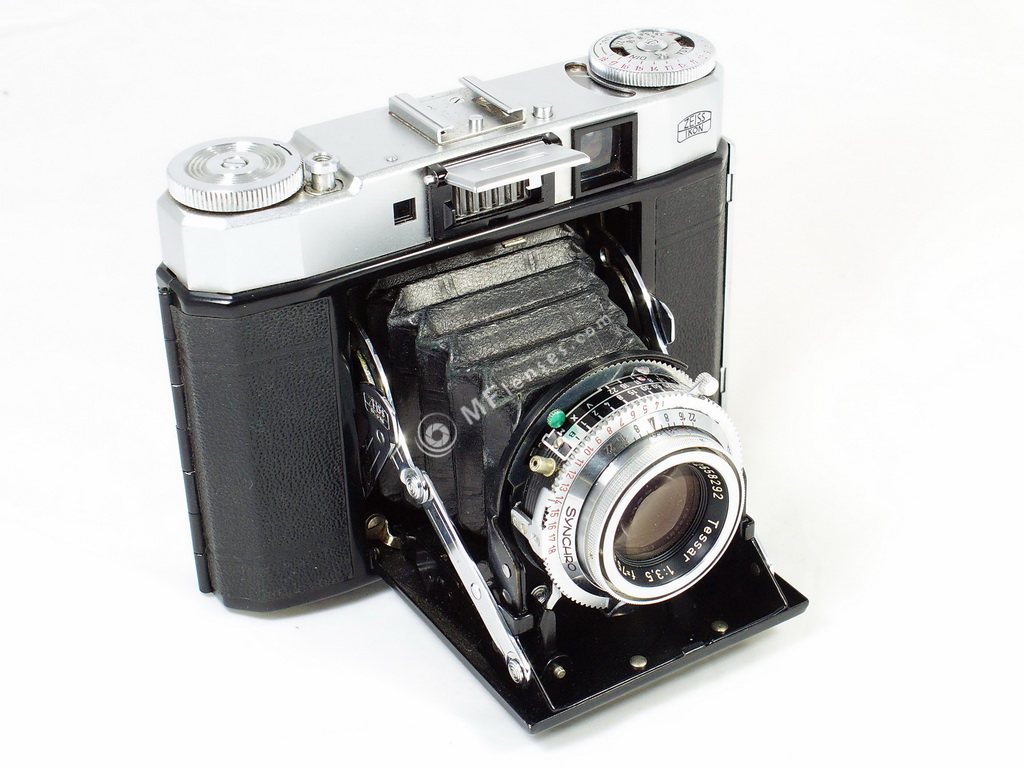
Nonetheless, I've enjoyed immensely looking at these photos. What a camera that Super Ikonta is! And what a picturesque location Attila has for his work. Just spectacular.
_________________
Michael
My Gear List: http://michaelmcbroom.com/photo/gear.html
My Gallery: http://michaelmcbroom.com/gallery3/index.php/
My Flickr Page: https://www.flickr.com/photos/11308754@N08/albums
My Music: https://soundcloud.com/michaelmcbroom/albums
My Blog: http://michaelmcbroom.com/blogistan/ |
|
| Haut de page |
|
|
Orio
Inscrit le: 24 Fév 2007
Messages: 29545
Localisation: West Emilia
Expire: 2012-12-04
|
Posté: Sam Nov 06, 2010 3:50 am Sujet du message: |
|
Posté: Sam Nov 06, 2010 3:50 am Sujet du message: |
|
|
Orio wrote:
| cooltouch a écrit: |
| Slide film has a very notoriously narrow exposure latitude -- maybe +/- 1/2 stop. So yeah, photo #3, the bronze guy on a horse sitting atop an ornate white pedastal, seems to have the highlights blown, and it does -- at the expense of getting the shadows and the sky correct. . |
+1
I think that 10 years ago this type of observation would have not been made, as people was more exposed (pun intended) to this type of situations. We have been terribly spoilt by RAW editing of images and that 4 stops latitude that RAW gives.
_________________
Orio, Administrator
T*
NE CEDE MALIS AUDENTIOR ITO
Ferrania film is reborn! http://www.filmferrania.it/
Support the Ornano film chemicals company and help them survive!
http://forum.mflenses.com/ornano-chemical-products-t55525.html |
|
| Haut de page |
|
|
Katastrofo
Inscrit le: 26 Fév 2007
Messages: 10405
Localisation: USA
Expire: 2013-11-19
|
Posté: Sam Nov 06, 2010 4:09 am Sujet du message: |
|
Posté: Sam Nov 06, 2010 4:09 am Sujet du message: |
|
|
Katastrofo wrote:
| nemesis101 a écrit: |
I said the colours were off and it was too dark when I posted!
The point I was making was there is a lot of detail in the highlights that is there waiting to be recovered!
Doug |
Thanks for that, Doug, your cheerful comments are always appreciated. |
|
| Haut de page |
|
|
cooltouch
Inscrit le: 15 Jan 2009
Messages: 9096
Localisation: Houston, Texas
|
Posté: Sam Nov 06, 2010 5:48 am Sujet du message: |
|
Posté: Sam Nov 06, 2010 5:48 am Sujet du message: |
|
|
cooltouch wrote:
| Orio a écrit: |
| cooltouch a écrit: |
| Slide film has a very notoriously narrow exposure latitude -- maybe +/- 1/2 stop. So yeah, photo #3, the bronze guy on a horse sitting atop an ornate white pedastal, seems to have the highlights blown, and it does -- at the expense of getting the shadows and the sky correct. . |
+1
I think that 10 years ago this type of observation would have not been made, as people was more exposed (pun intended) to this type of situations. We have been terribly spoilt by RAW editing of images and that 4 stops latitude that RAW gives. |
Hrm . . . sometimes I use terminology incorrectly. I think I may have with my above statement. By "exposure latitude" what I mean is the amount of over or under exposure away from "correct" one can get away with before a photo's exposure is compromised.
Slides also have a narrower exposure range from absolute white to absolute black than color print film, which has a narrower range than black&white film. I'm relying on my balky memory now, but it seems as if a slide can handle only about a total of 5 EV whereas with color print film it's more like 7 and with b&w it's more like 10. Does this sound about right? Now, what I find interesting in this digital day and age is that digital sensors are similar to slides in this respect -- they can handle only about 5 EV also.
This narrower range of slide film is also a big part of the exposure problem with subjects such as Attila's bronze statue. Digital has HDR as a handy way of getting around this problem. BTW, I've tried doing imitation HDR with slides -- taking duplicate images of a single slide at various exposure settings, from way under to way over exposed, and then trying to process the images into HDR. Interestingly enough, when I do this, I use a mf lens in my duplicator rig, and most software I've tried really doesn't like this. Even Photoshop errors out and spontaneously closes!
_________________
Michael
My Gear List: http://michaelmcbroom.com/photo/gear.html
My Gallery: http://michaelmcbroom.com/gallery3/index.php/
My Flickr Page: https://www.flickr.com/photos/11308754@N08/albums
My Music: https://soundcloud.com/michaelmcbroom/albums
My Blog: http://michaelmcbroom.com/blogistan/ |
|
| Haut de page |
|
|
nemesis101
Inscrit le: 25 Mar 2008
Messages: 2050
Localisation: Oregon USA
Expire: 2015-01-22
|
Posté: Sam Nov 06, 2010 6:48 am Sujet du message: |
|
Posté: Sam Nov 06, 2010 6:48 am Sujet du message: |
|
|
nemesis101 wrote:
| Katastrofo a écrit: |
| nemesis101 a écrit: |
I said the colours were off and it was too dark when I posted!
The point I was making was there is a lot of detail in the highlights that is there waiting to be recovered!
Doug |
Thanks for that, Doug, your cheerful comments are always appreciated. |
_________________
Lenses and cameras:
Amateurs worry about equipment
Pros worry about money,
Masters worry about light. |
|
| Haut de page |
|
|
womble
Inscrit le: 28 Sep 2009
Messages: 987
Localisation: Hertfordshire
|
Posté: Sam Nov 13, 2010 8:38 pm Sujet du message: |
|
Posté: Sam Nov 13, 2010 8:38 pm Sujet du message: |
|
|
womble wrote:
| cooltouch a écrit: |
| I'm relying on my balky memory now, but it seems as if a slide can handle only about a total of 5 EV whereas with color print film it's more like 7 and with b&w it's more like 10. Does this sound about right? |
I've just written a paper which includes a bit about this... slides 6EV, colour 7-8, digital (always increasing....) 6-8, BW 10--11EV, human eye 20 EV (with adaptation).
K.
_________________
Kris Lockyear
Digital: Pentax K-3iii
35mm film SLRs: various Pentax bodies from a H2 to a SF7, favourites the MX and LX
Rangefinder: Zeiss Super Ikonta IV, FED2, Zorkii-4, Industar 26m, Jupiter 8, 11 and 12 lenses
Medium format: various folders, Yashica Mat 124 G. Lubitel 2
LF: Horseman LE 5x4 view camera.
MF lenses (favourites) Pentax "K" 200mm f/2.5; "K" 135mm f/2.5; "K" 50mm f/1.2; "K" 35mm f/2; "K" 30mm f/2.8; "K" 28mm f/3.5 shift; "K" 15mm f/3.5; M 100mm f/2.8; M 40mm f/2.8; Jupiter-9 85mm |
|
| Haut de page |
|
|
cooltouch
Inscrit le: 15 Jan 2009
Messages: 9096
Localisation: Houston, Texas
|
Posté: Sam Nov 13, 2010 8:44 pm Sujet du message: |
|
Posté: Sam Nov 13, 2010 8:44 pm Sujet du message: |
|
|
cooltouch wrote:
Thanks for the confirmation, Kris. Glad to read I was close, at least.
And I gotta ask -- what's your paper about?
_________________
Michael
My Gear List: http://michaelmcbroom.com/photo/gear.html
My Gallery: http://michaelmcbroom.com/gallery3/index.php/
My Flickr Page: https://www.flickr.com/photos/11308754@N08/albums
My Music: https://soundcloud.com/michaelmcbroom/albums
My Blog: http://michaelmcbroom.com/blogistan/ |
|
| Haut de page |
|
|
womble
Inscrit le: 28 Sep 2009
Messages: 987
Localisation: Hertfordshire
|
Posté: Dim Nov 14, 2010 11:06 am Sujet du message: |
|
Posté: Dim Nov 14, 2010 11:06 am Sujet du message: |
|
|
womble wrote:
| cooltouch a écrit: |
| And I gotta ask -- what's your paper about? |
The impact, advantages, disadvantages of digital photography for recording on archaeological excavations. Archaeologists have been embracing digital photography because it is perceived to be "cheap" without necessarily understanding all the specific issues that go with that.
Best wishes, Kris.
_________________
Kris Lockyear
Digital: Pentax K-3iii
35mm film SLRs: various Pentax bodies from a H2 to a SF7, favourites the MX and LX
Rangefinder: Zeiss Super Ikonta IV, FED2, Zorkii-4, Industar 26m, Jupiter 8, 11 and 12 lenses
Medium format: various folders, Yashica Mat 124 G. Lubitel 2
LF: Horseman LE 5x4 view camera.
MF lenses (favourites) Pentax "K" 200mm f/2.5; "K" 135mm f/2.5; "K" 50mm f/1.2; "K" 35mm f/2; "K" 30mm f/2.8; "K" 28mm f/3.5 shift; "K" 15mm f/3.5; M 100mm f/2.8; M 40mm f/2.8; Jupiter-9 85mm |
|
| Haut de page |
|
|
|
|
 Français
 Español
 中文
 Magyar
 Русский
 Deutsch
 日本語