| Voir le sujet précédent :: Voir le sujet suivant |
| Auteur |
Message |
adent 


Inscrit le: 06 Oct 2011
Messages: 304
Localisation: United States
|
 Posté: Dim Nov 27, 2011 10:19 pm Sujet du message: "Scanning" film with DSLR |
|
Posté: Dim Nov 27, 2011 10:19 pm Sujet du message: "Scanning" film with DSLR |
|
|
adent wrote:
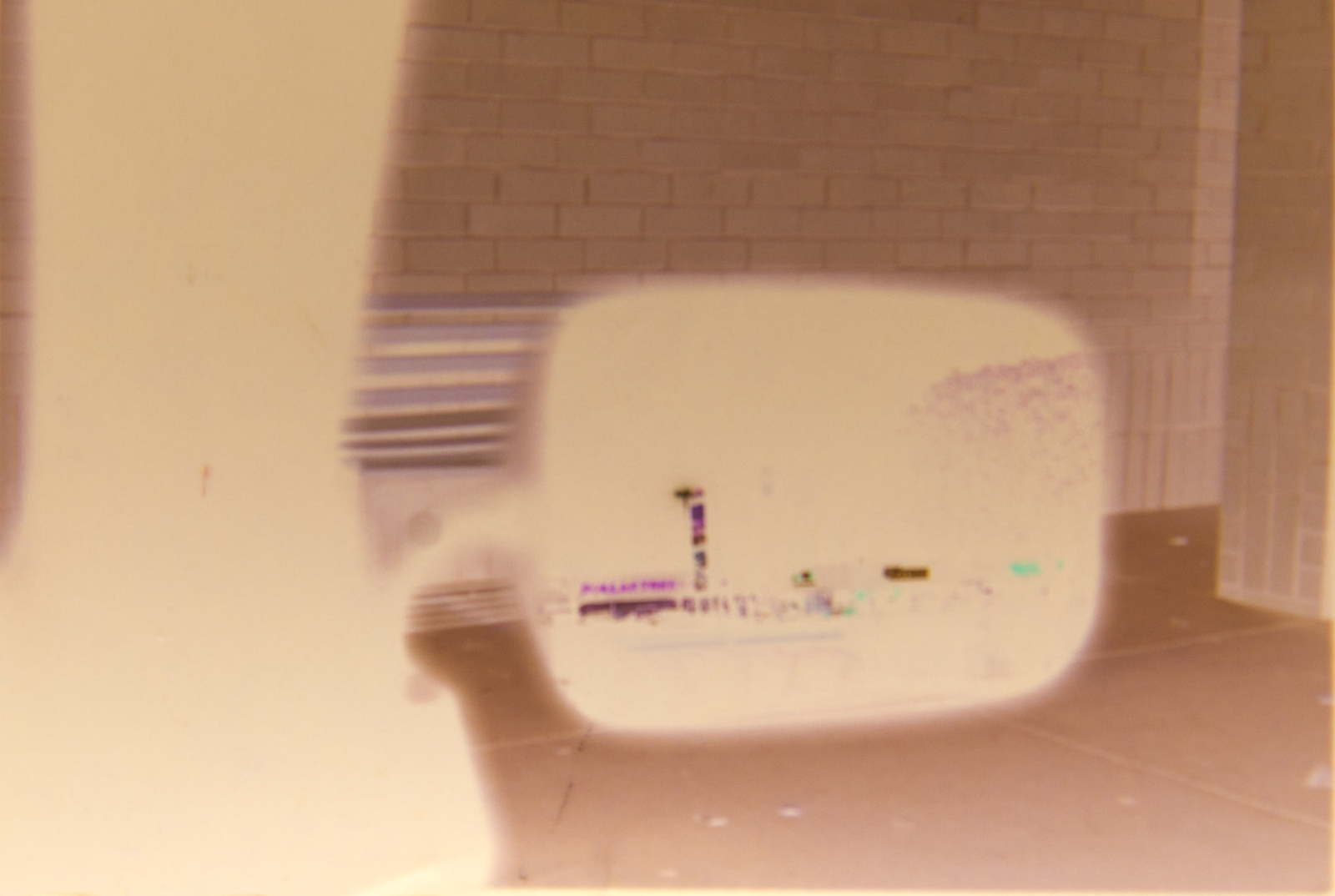
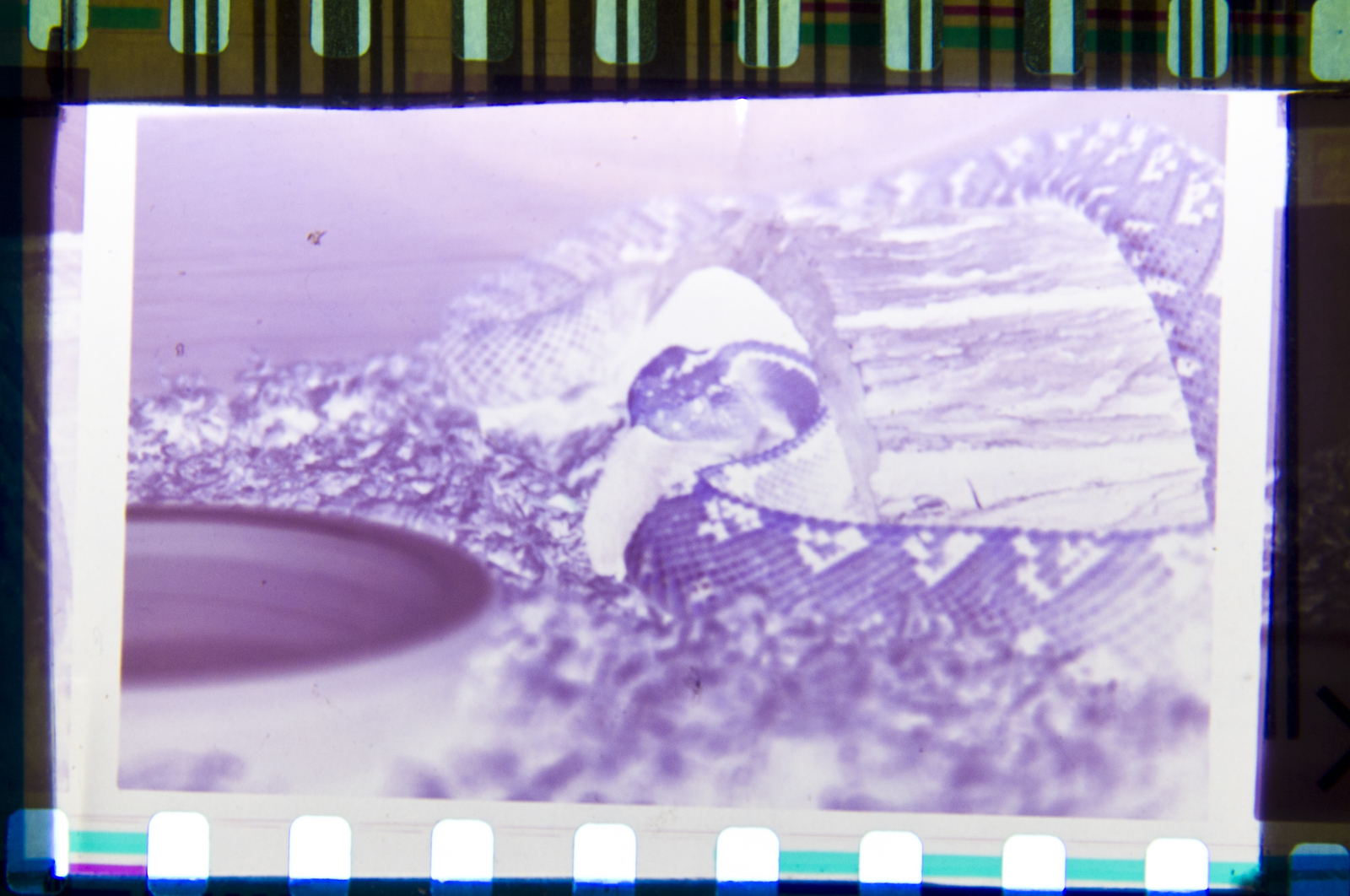
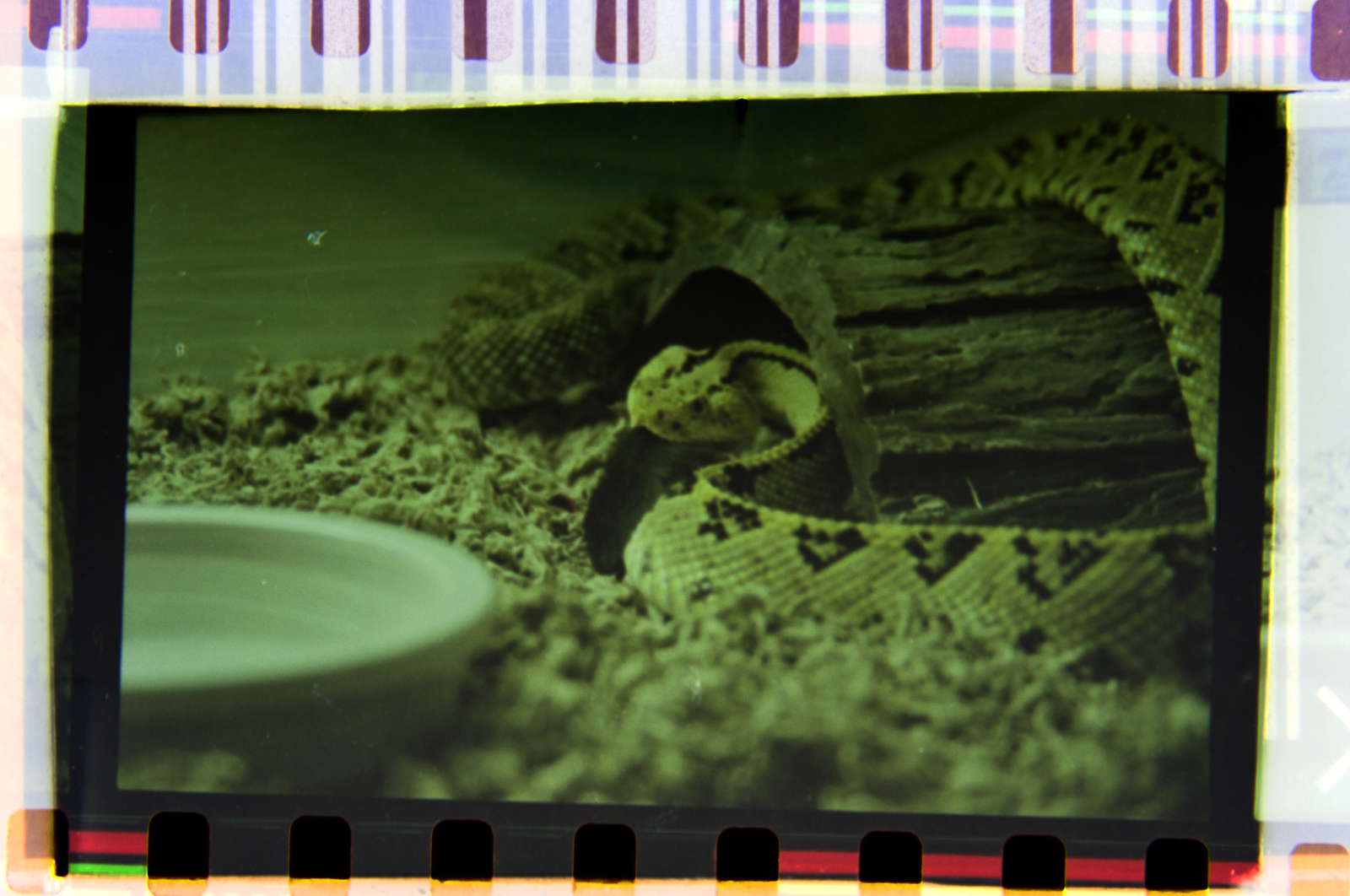
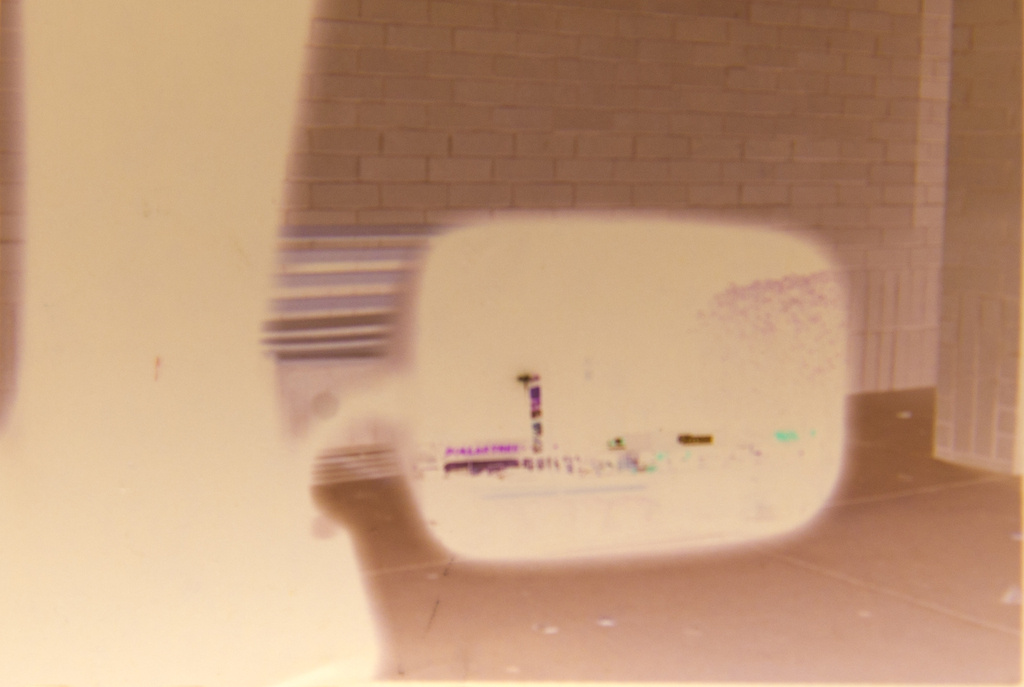
OK due to some embarrassing improvisation I have produced the following. The question is : What do I do with it from here?
 |
|
| Haut de page |
|
 |
peterqd

Inscrit le: 28 Fév 2007
Messages: 7449
Localisation: near High Wycombe, UK
Expire: 2014-01-04
|
Posté: Dim Nov 27, 2011 10:44 pm Sujet du message: |
|
Posté: Dim Nov 27, 2011 10:44 pm Sujet du message: |
|
|
peterqd wrote:
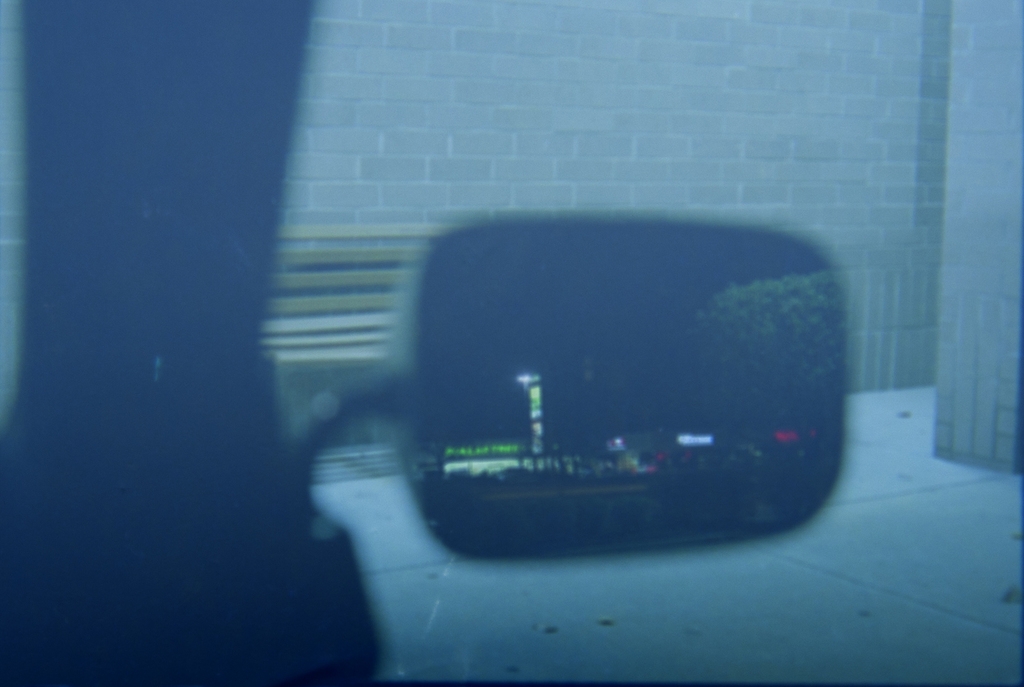
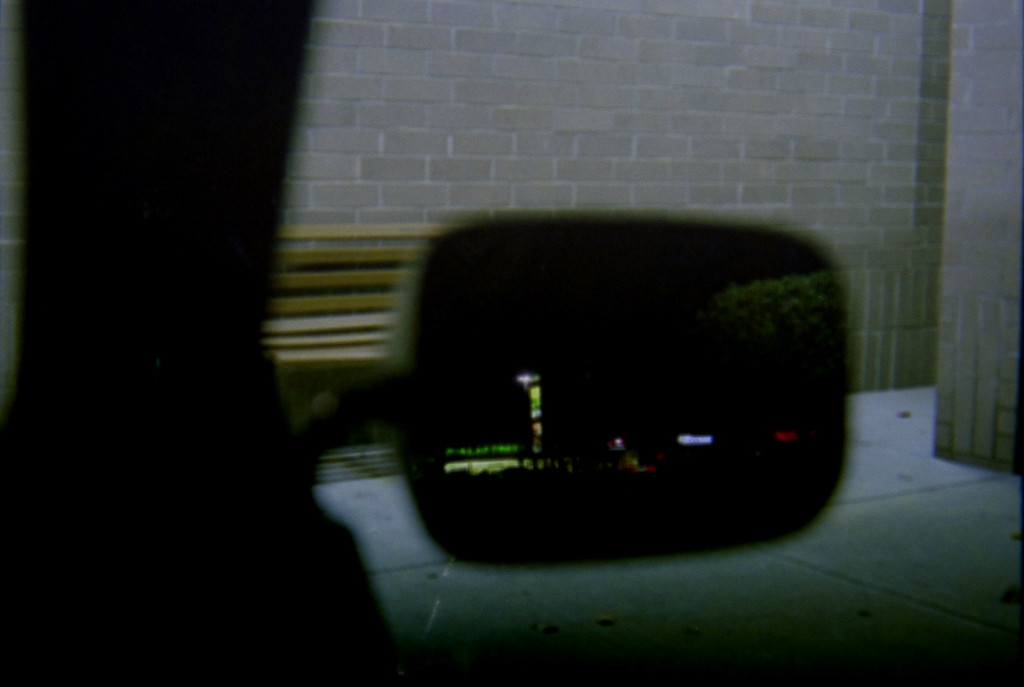
First you have to change it from negative to positive - called inverting.
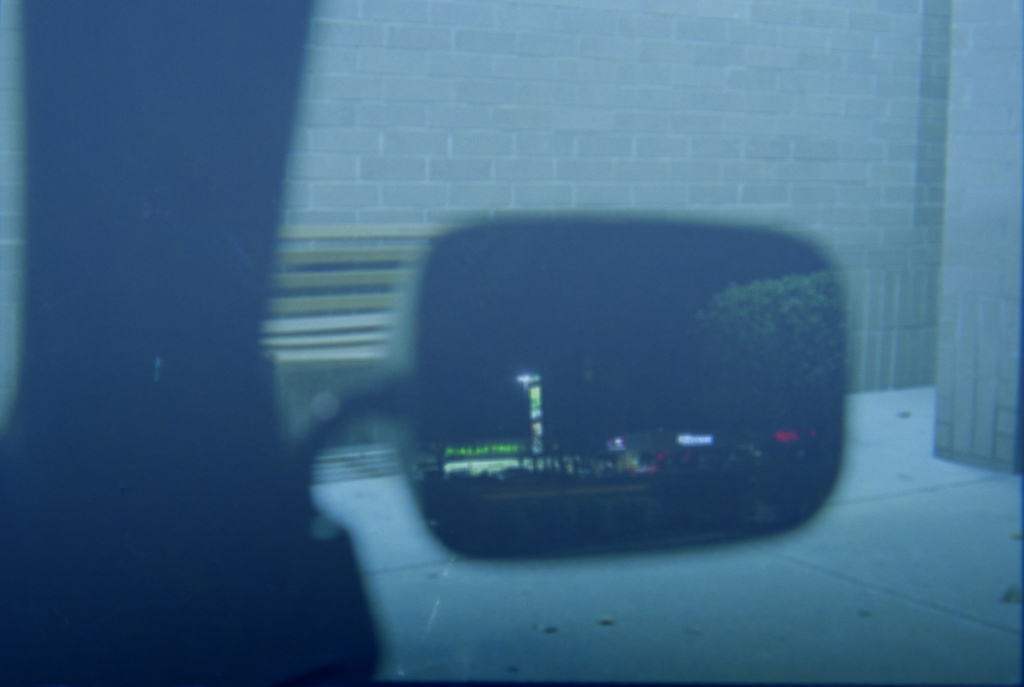
Most simple picture viewers can manage this. I did this with the free viewer Irfanview.
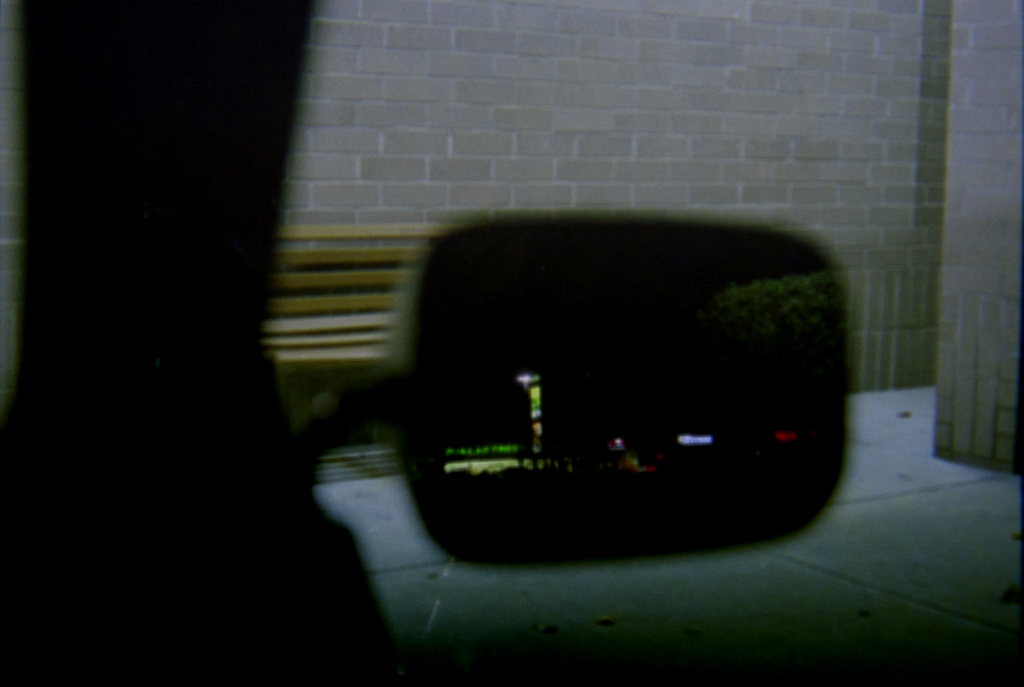
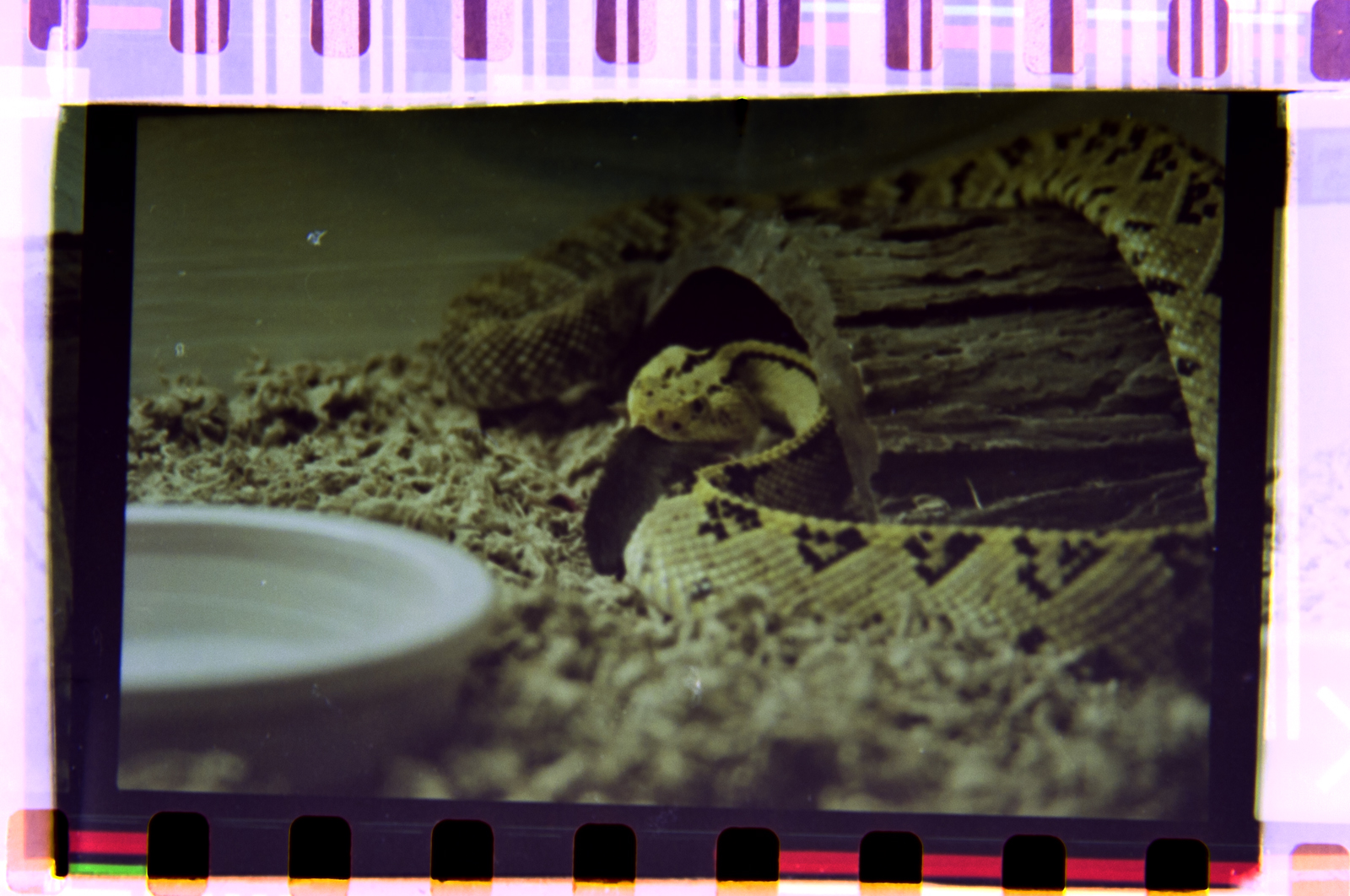
That's generally all you need to do with B&W negs. Colour film has a blueish colour cast as you can see, and a more powerful program is far better for correcting this. It took just one click using the Curves function in Photoshop. I use an old version - CS3.
_________________
Peter - Moderator |
|
| Haut de page |
|
|
berraneck

Inscrit le: 24 Mai 2009
Messages: 972
Localisation: prague, czech republic
|
Posté: Dim Nov 27, 2011 10:54 pm Sujet du message: |
|
Posté: Dim Nov 27, 2011 10:54 pm Sujet du message: |
|
|
berraneck wrote:
come on, what about searching a bit first? there are plenty of tutorials on net, UTFG 
http://www.computer-darkroom.com/tutorials/tutorial_6_1.htm
_________________
equipment doesn´t count, good photographs do |
|
| Haut de page |
|
|
peterqd
Inscrit le: 28 Fév 2007
Messages: 7449
Localisation: near High Wycombe, UK
Expire: 2014-01-04
|
Posté: Dim Nov 27, 2011 11:02 pm Sujet du message: |
|
Posté: Dim Nov 27, 2011 11:02 pm Sujet du message: |
|
|
peterqd wrote:
What's UTFG? I only know RTFM
(PS You can use *** if you like!)
_________________
Peter - Moderator |
|
| Haut de page |
|
|
adent
Inscrit le: 06 Oct 2011
Messages: 304
Localisation: United States
|
Posté: Lun Nov 28, 2011 1:23 am Sujet du message: |
|
Posté: Lun Nov 28, 2011 1:23 am Sujet du message: |
|
|
adent wrote:
I kinda figured something out. It is in the other thread. |
|
| Haut de page |
|
|
berraneck
Inscrit le: 24 Mai 2009
Messages: 972
Localisation: prague, czech republic
|
Posté: Lun Nov 28, 2011 9:21 am Sujet du message: |
|
Posté: Lun Nov 28, 2011 9:21 am Sujet du message: |
|
|
berraneck wrote:
| peterqd a écrit: |
What's UTFG? I only know RTFM
(PS You can use *** if you like!) |
http://www.google.com/search?q=utfg

@adent: well done! hope you achieve some nice photos on film
_________________
equipment doesn´t count, good photographs do |
|
| Haut de page |
|
|
martinsmith99
Inscrit le: 31 Août 2008
Messages: 7029
Localisation: S Glos, UK
Expire: 2013-11-18
|
Posté: Lun Nov 28, 2011 5:22 pm Sujet du message: |
|
Posté: Lun Nov 28, 2011 5:22 pm Sujet du message: |
|
|
martinsmith99 wrote:
What does it say about my mind that I understood this before the looking at the link? 
_________________
Casual attendance these days |
|
| Haut de page |
|
|
visualopsins

Inscrit le: 05 Mar 2009
Messages: 11703
Localisation: California
Expire: 2027-07-11
|
Posté: Mar Nov 29, 2011 1:06 am Sujet du message: |
|
Posté: Mar Nov 29, 2011 1:06 am Sujet du message: |
|
|
visualopsins wrote:
Question about PP program that does 'layers': can a layer, made by scanning blank developed film, be used to accurately remove the color cast caused by film orange mask?
_________________
☮☮☮☮☮☮☮☮☮☮☮☮☮☮☮☮☮☮☮☮☮☮☮☮☮☮☮☮☮☮☮☮ like attracts like! ☮☮☮☮☮☮☮☮☮☮☮☮☮☮☮☮☮☮☮☮☮☮☮☮☮☮☮☮☮☮☮☮
Cameras: Sony ILCE-7RM2, Spotmatics II, F, and ESII, Nikon P4
Lenses:
M42 Asahi Optical Co., Takumar 1:4 f=35mm, 1:2 f=58mm (Sonnar), 1:2.4 f=58mm (Heliar), 1:2.2 f=55mm (Gaussian), 1:2.8 f=105mm (Model I), 1:2.8/105 (Model II), 1:5.6/200, Tele-Takumar 1:5.6/200, 1:6.3/300, Macro-Takumar 1:4/50, Auto-Takumar 1:2.3 f=35, 1:1.8 f=55mm, 1:2.2 f=55mm, Super-TAKUMAR 1:3.5/28 (fat), 1:2/35 (Fat), 1:1.4/50 (8-element), Super-Multi-Coated Fisheye-TAKUMAR 1:4/17, Super-Multi-Coated TAKUMAR 1:4.5/20, 1:3.5/24, 1:3.5/28, 1:2/35, 1:3.5/35, 1:1.8/85, 1:1.9/85 1:2.8/105, 1:3.5/135, 1:2.5/135 (II), 1:4/150, 1:4/200, 1:4/300, 1:4.5/500, Super-Multi-Coated Macro-TAKUMAR 1:4/50, 1:4/100, Super-Multi-Coated Bellows-TAKUMAR 1:4/100, SMC TAKUMAR 1:1.4/50, 1:1.8/55
M42 Carl Zeiss Jena Flektogon 2.4/35
Contax Carl Zeiss Vario-Sonnar T* 28-70mm F3.5-4.5
Pentax K-mount SMC PENTAX-A ZOOM 1:3.5 35~105mm, SMC PENTAX ZOOM 1:4 45~125mm
Nikon Micro-NIKKOR-P-C Auto 1:3.5 f=55mm, NIKKOR-P Auto 105mm f/2.5 Pre-AI (Sonnar), Micro-NIKKOR 105mm 1:4 AI, NIKKOR AI-S 35-135mm f/3,5-4,5
Solinon 1:5.6/18 ASPH.
Tamron SP 17mm f/3.5 (51B), Tamron SP 17mm f/3.5 (151B), SP 500mm f/8 (55BB), SP 70-210mm f/3.5 (19AH)
Vivitar 100mm 1:2.8 MC 1:1 Macro Telephoto (Kiron)
|
|
| Haut de page |
|
|
adent
Inscrit le: 06 Oct 2011
Messages: 304
Localisation: United States
|
Posté: Mar Nov 29, 2011 1:33 am Sujet du message: |
|
Posté: Mar Nov 29, 2011 1:33 am Sujet du message: |
|
|
adent wrote:
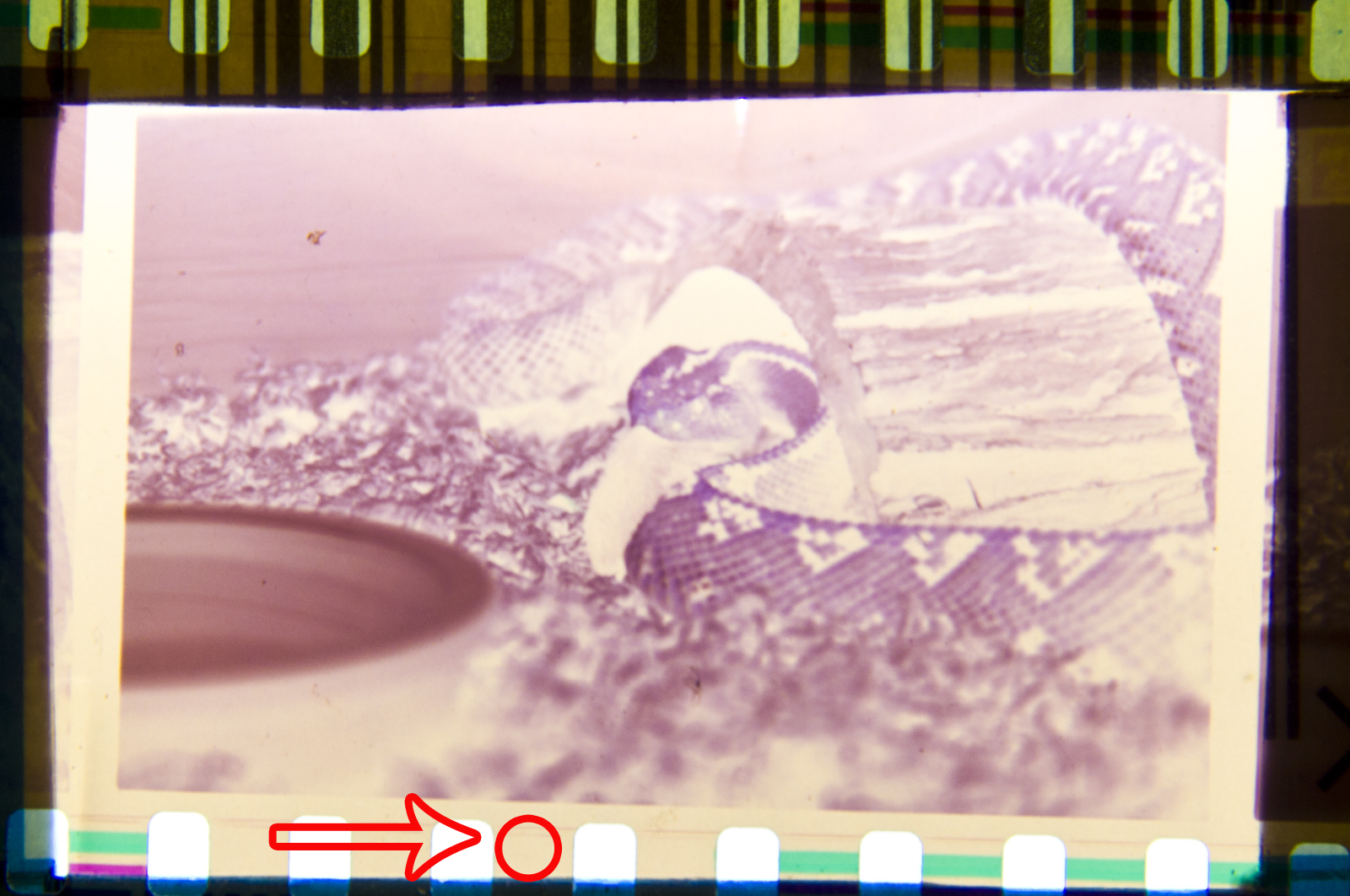
I don't know about that but I found that if you use ACR you can use the white balance tool on the orange part near one of the sprocket holes and it removes it pretty good. Photograph a little extra part of the negative and crop later. Still have to do some work on the red, green, and blue channels in levels in photoshop but it turns out pretty good. |
|
| Haut de page |
|
|
adent
Inscrit le: 06 Oct 2011
Messages: 304
Localisation: United States
|
|
| Haut de page |
|
|
peterqd
Inscrit le: 28 Fév 2007
Messages: 7449
Localisation: near High Wycombe, UK
Expire: 2014-01-04
|
Posté: Mar Nov 29, 2011 9:34 am Sujet du message: |
|
Posté: Mar Nov 29, 2011 9:34 am Sujet du message: |
|
|
peterqd wrote:
| visualopsins a écrit: |
| Question about PP program that does 'layers': can a layer, made by scanning blank developed film, be used to accurately remove the color cast caused by film orange mask? |
Firstly, a good scanning program will remove the colour cast automatically. Sometimes it needs adjusting, but not very often in my experience.
If you want to do it by hand in PP, yes you could make a separate layer for that and ensure you have both layers selected when you do the adjustments. But it's simpler to just include some blank film in the original scan area (the gap between frames is easiest) and use that for correction in the same layer and crop it out later.
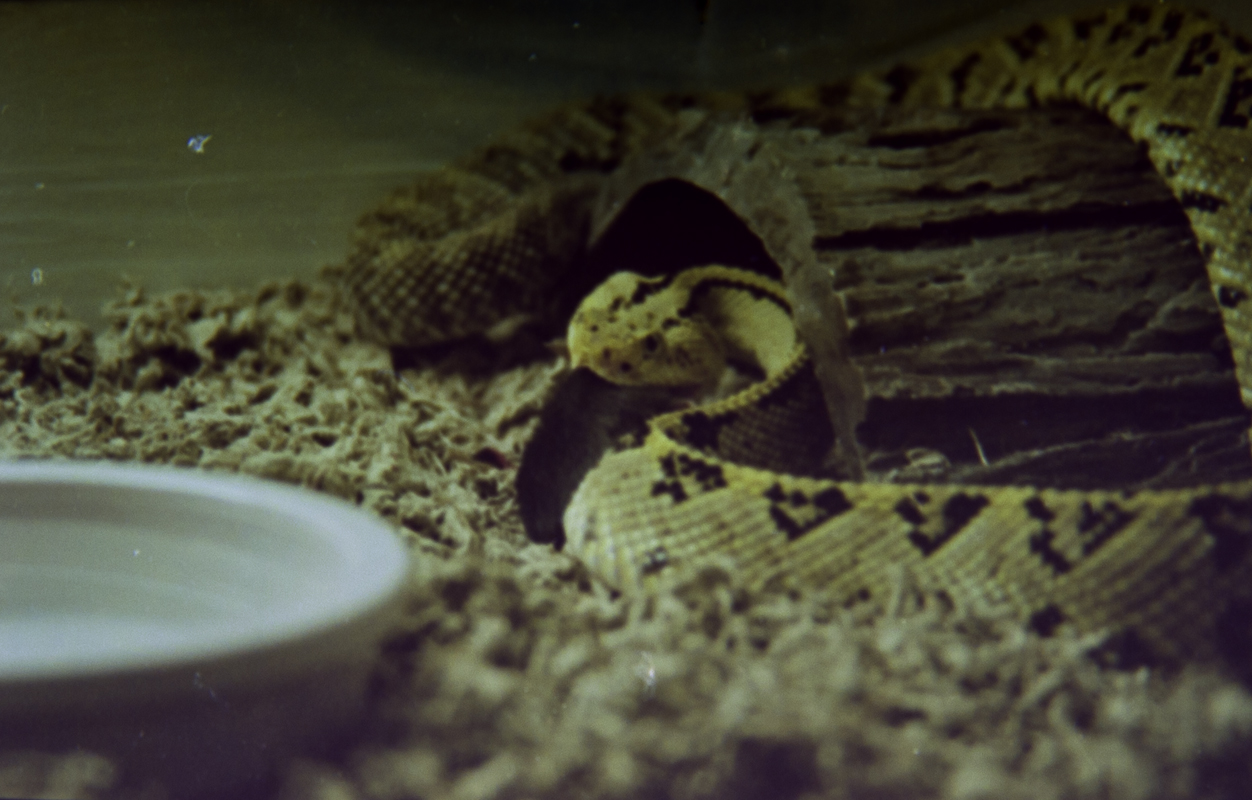
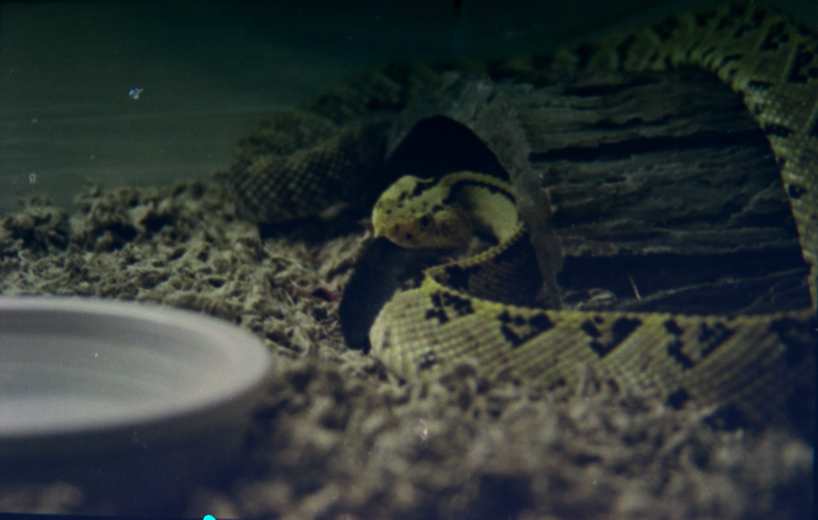
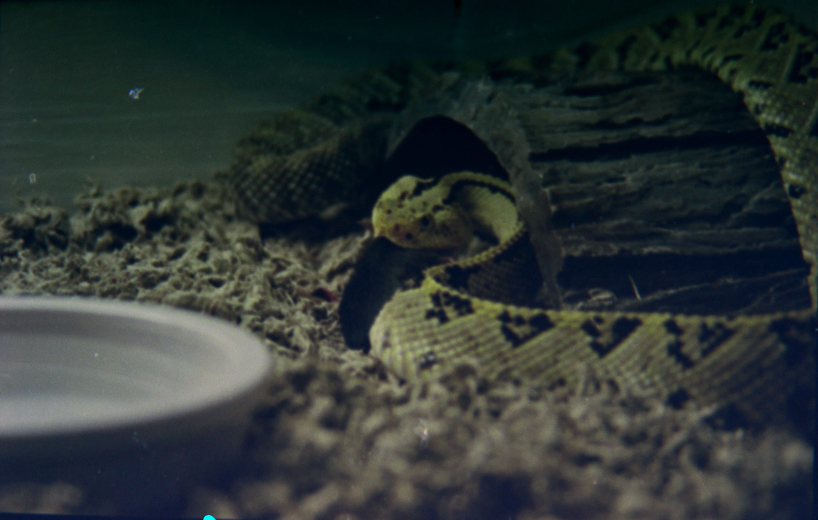
@adent: If you're "scanning" with a DSLR then you have a RAW file to work on. If you scan it with a scanner you only have a JPG or a TIF file to work on. So I do it all in Photoshop using the Curves tool. It would save you having to load two programs if you did it that way. There are three different ways of adjusting cast and colour correction after you've inverted the image, all with just one click, using the thre sampler tools - white, black and the grey one in the centre. I almost always use the grey tool as I find it gives the best colour adjustment. This colour is adjusted with just one click with the grey tool on the bowl:
_________________
Peter - Moderator |
|
| Haut de page |
|
|
|
|
|
Vous ne pouvez pas publier de nouveaux sujets dans ce forum
Vous ne pouvez pas répondre aux sujets de ce forum
Vous ne pouvez pas modifier vos messages dans ce forum
Vous ne pouvez pas supprimer vos messages dans ce forum
Vous ne pouvez pas voter dans les sondages de ce forum
|
 Français
 Español
 中文
 Magyar
 Русский
 Deutsch
 日本語